
TABITHA THAI
Scientific Illustrator • Visual Designer • Science Communicator
I create illustrations, educational media, and visual stories that make scientific information accessible, engaging, and memorable. With training in biology, biomedical physiology, and scientific illustration, I translate complex concepts into visuals that support learning, research communication, and public engagement.
Featured Projects
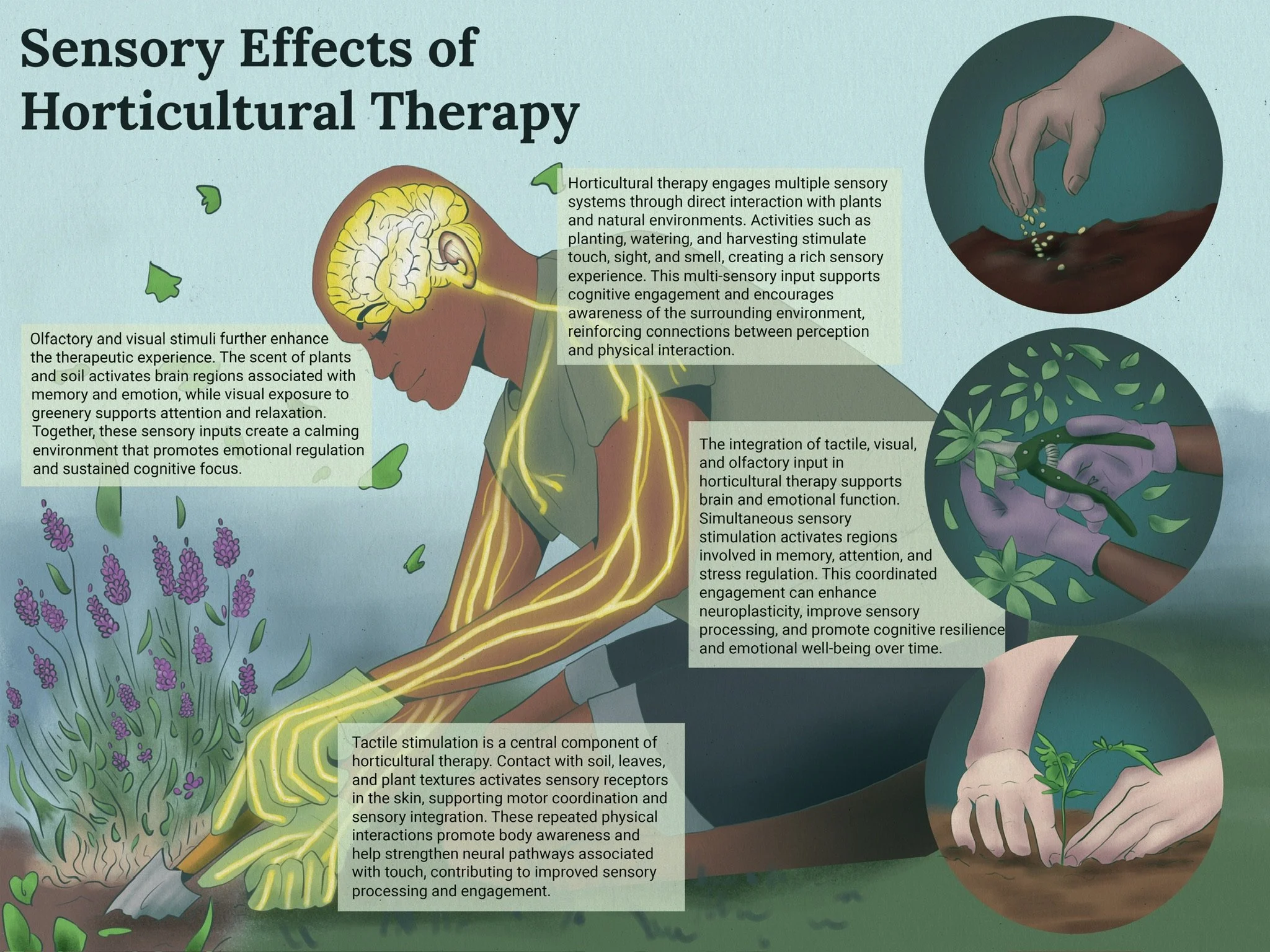
Exploring the intersection of health, neuroscience, and design, this project translates research on horticultural therapy into accessible visual communication for educational outreach and public engagement.
Horticultural Therapy Infographic Series
PCOS Educational Infographic
A science communication project designed to explain the physiological mechanisms of polycystic ovary syndrome through clear information design, medical illustration, and visual storytelling.
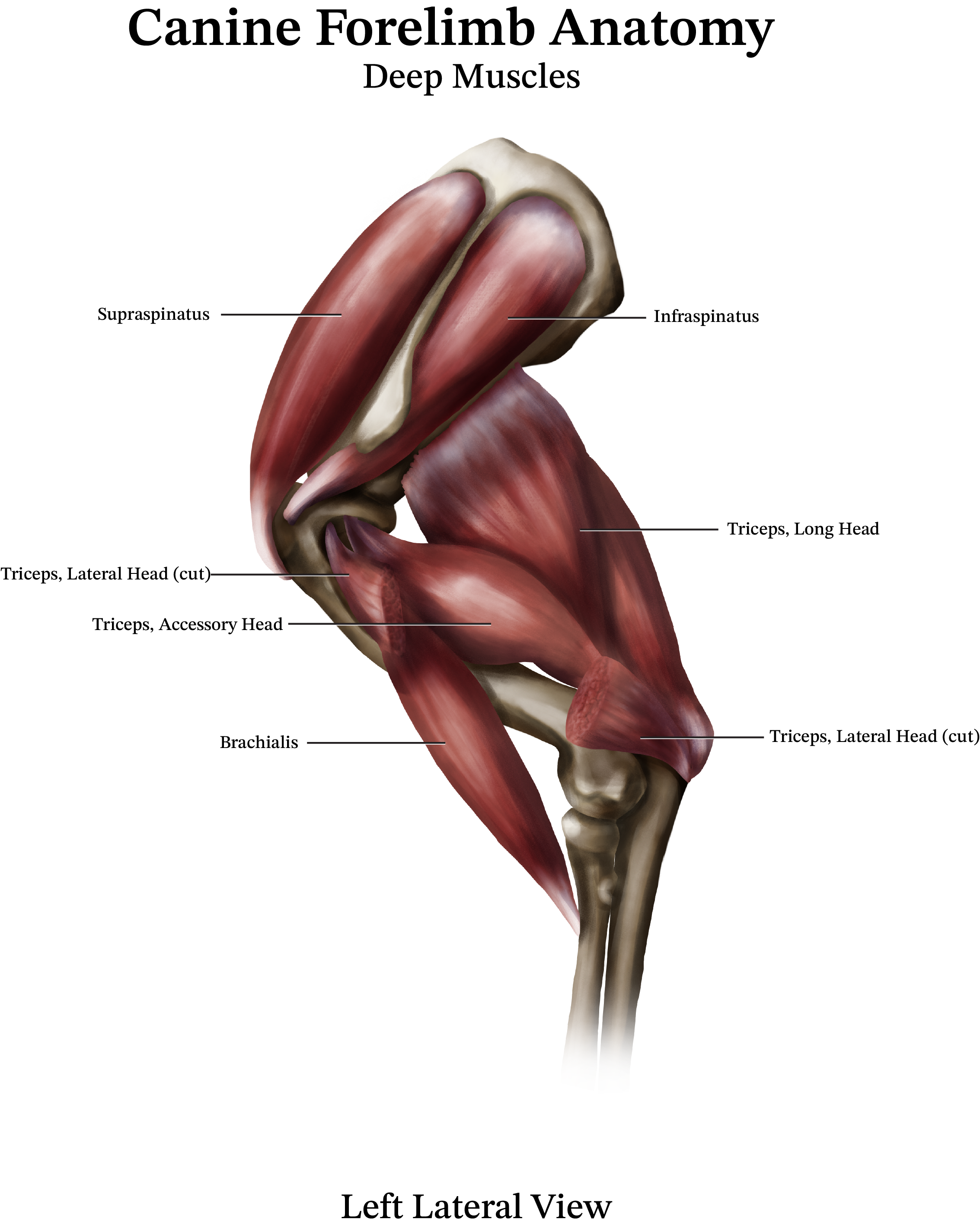
An anatomical illustration examining musculoskeletal structure and function in the canine forelimb, balancing scientific accuracy with educational clarity.
Canine Forelimb Anatomy
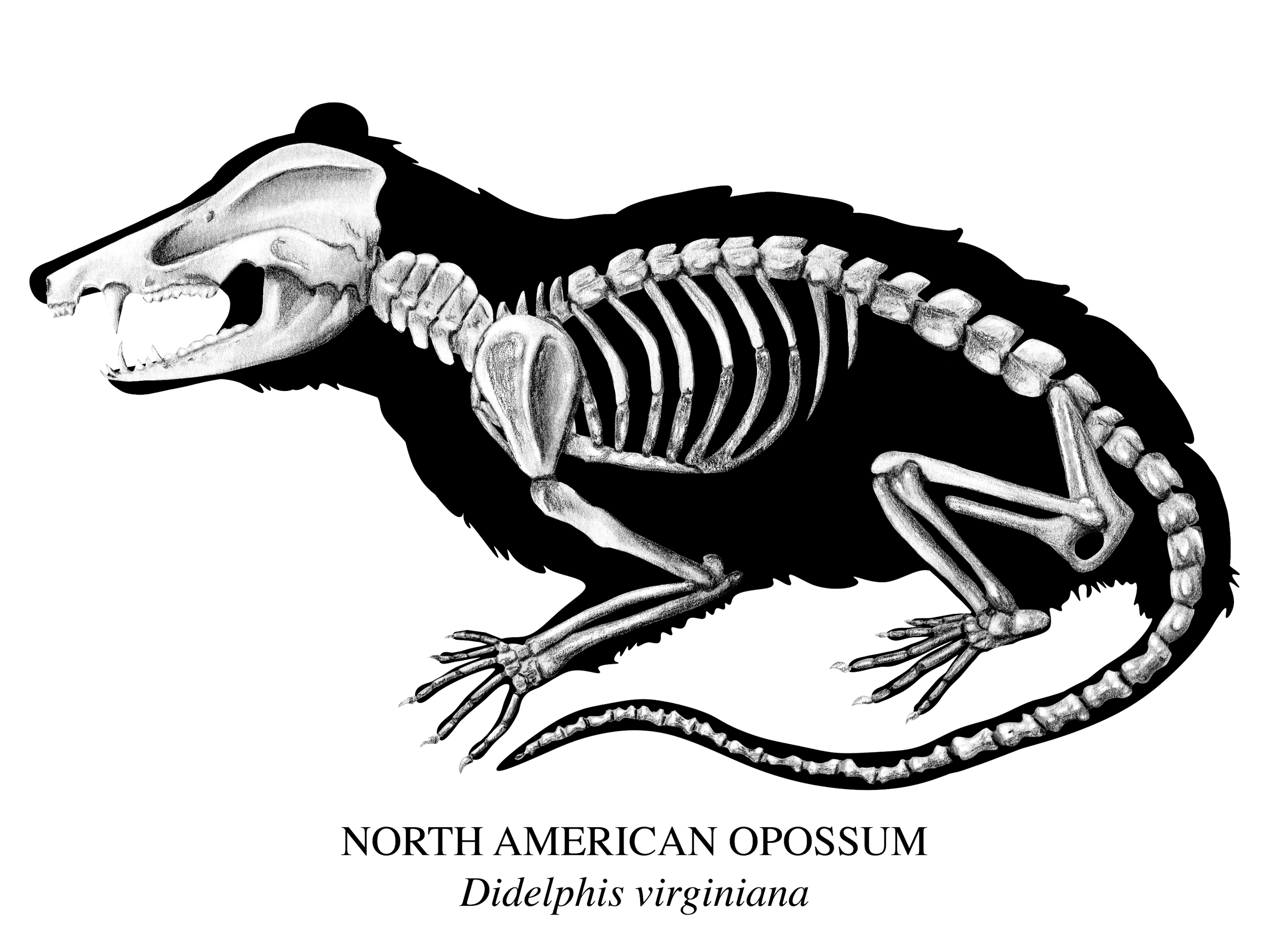
A natural history illustration developed through observational research and reference analysis, highlighting anatomy, texture, and the ecological character of North America's only native marsupial.
North American Opossum
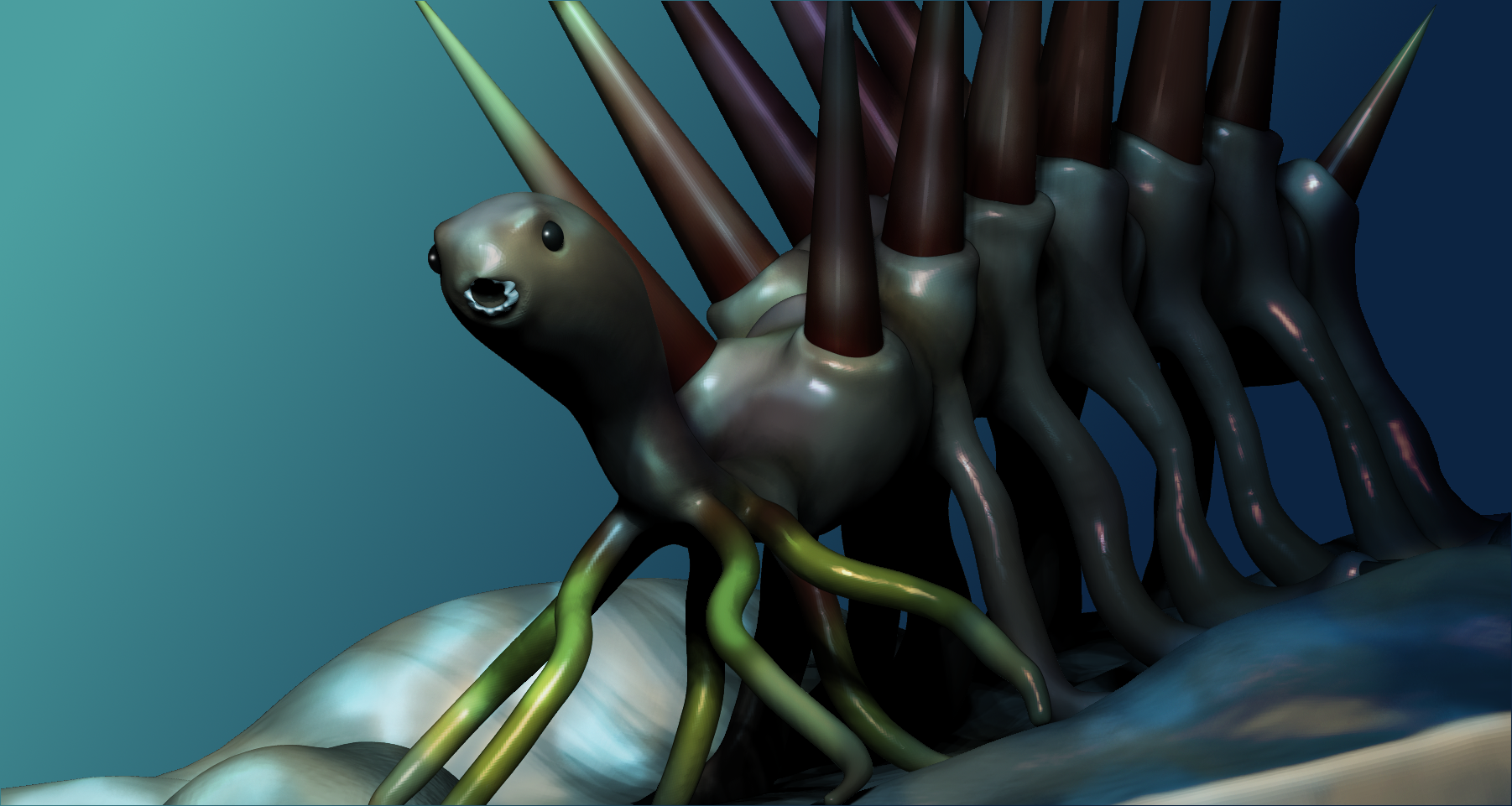
Hallucigenia sparsa
A research-driven reconstruction of Hallucigenia sparsa that combines paleontological evidence, comparative anatomy, and digital sculpting to visualize one of the most unusual organisms of the Cambrian period.